Predictive Maintenance: The Proactive AI Mechanic
Moving from reactive repairs to predictive care, AI assistants are changing the way we maintain our vehicles.
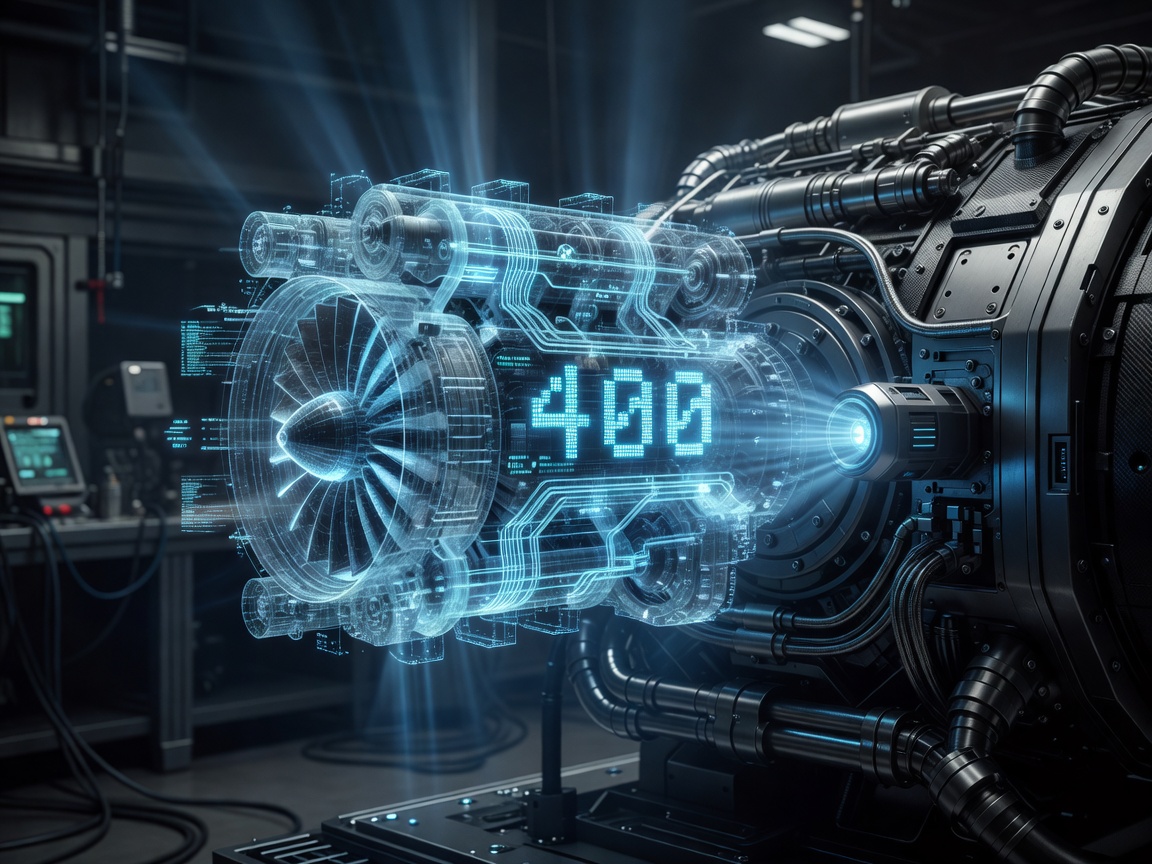
Beyond the Check Engine Light
For decades, the "Check Engine" light has been the bane of drivers everywhere. It is a fundamentally reactive system: by the time the light illuminates, a component has usually already failed or fallen outside of operational parameters. The resulting repair is often costly and inconvenient.
AI-powered personal assistants are redefining this dynamic through predictive maintenance. By continuously analyzing thousands of data points generated by the vehicle's internal sensors every second, the AI can detect minute anomalies—a slight increase in battery temperature, a micro-vibration in the wheel bearing, or a fractional drop in brake fluid pressure—long before a human driver would notice a problem.
How Predictive AI Works
The core of predictive maintenance is machine learning models trained on vast datasets of vehicle telematics. When applied to an individual car, the AI establishes a unique baseline of normal operation for that specific vehicle, taking into account the owner's driving style, local climate, and regular routes.
The system operates through three primary phases:
- Data Aggregation: Collecting real-time data from the CAN bus (Controller Area Network), monitoring everything from engine RPM and fluid viscosities to EV battery cell voltages.
- Pattern Recognition: Using deep learning algorithms to compare current sensor telemetry against historical failure models.
- Actionable Output: Translating the raw data into natural language warnings for the driver.
The Role of the Personal Assistant
What makes this technology truly user-friendly is how the information is communicated. Instead of deciphering a cryptic icon on the dashboard, the driver receives a conversational update from their AI assistant. The AI might say, "I've noticed a slight degradation in the efficiency of the thermal management system. It isn't critical yet, but we should have it looked at before summer temperatures arrive."
Taking it a step further, the AI can autonomously check the driver's digital calendar, cross-reference it with the availability of the preferred local service center, and offer to book an appointment. "Would you like me to schedule a service for next Tuesday afternoon when you don't have any meetings booked?" This frictionless experience turns maintenance from a chore into a seamless background task.
Electric Vehicles and Battery Health
Predictive maintenance is particularly vital for the EV sector. The battery pack is the single most expensive component of an electric vehicle, and its health dictates the car's range and longevity. AI assistants monitor charge cycles, ambient temperature exposure, and fast-charging frequency to predict degradation.
By advising the driver on optimal charging habits—such as recommending against a 100% fast charge when ambient temperatures are excessively high—the AI actively extends the lifespan of the vehicle.
Challenges and Privacy Concerns
While the benefits are immense, predictive maintenance relies heavily on data harvesting. Continuous telemetry streaming to manufacturer clouds raises valid concerns regarding data ownership and privacy. Who owns the mechanical footprint of your driving? Manufacturers must ensure stringent encryption and clear opt-in policies for data sharing to maintain consumer trust.
As this technology matures, the vehicle will essentially become a self-diagnosing entity, vastly reducing roadside breakdowns and fundamentally shifting the business model of automotive service centers from reactive triage to scheduled, preventative care.